





Are DC-DC converters better than inverters for EVs?
- Understanding Vehicle Power Inverters: Essential Insights for Industry Professionals
- 1. What is the primary function of a vehicle power inverter?
- 2. How do power inverters differ from DC-DC converters in electric vehicles?
- 3. What are the key factors to consider when selecting a vehicle power inverter?
- 4. What are the latest advancements in power inverter technology for electric vehicles?
- 5. What are the current market trends in the vehicle power inverter industry?
- 6. How do regional markets differ in the adoption of vehicle power inverters?
- 7. What are the challenges in integrating power inverters into electric vehicles?
- 8. How does the choice of power inverter impact the overall performance of an electric vehicle?
Understanding Vehicle Power Inverters: Essential Insights for Industry Professionals
As the automotive industry shifts towards electrification, understanding the role and selection of vehicle power inverters becomes crucial for industry professionals. Power inverters are integral components that convert direct current (DC) from the vehicle's battery into alternating current (AC) to power electric motors and other systems. This article addresses common questions and provides insights to assist in making informed procurement decisions.
1. What is the primary function of a vehicle power inverter?
A vehicle power inverter's main function is to convert DC electricity from the vehicle's battery into AC electricity, enabling the operation of electric motors and other AC-powered components. This conversion is essential for the propulsion of electric vehicles (EVs) and the functioning of various onboard systems.
2. How do power inverters differ from DC-DC converters in electric vehicles?
Power inverters and DC-DC converters serve distinct purposes in EVs:
Power Inverters: Convert high-voltage DC from the main battery pack into AC to drive the electric motor.
DC-DC Converters: Step down high-voltage DC from the main battery to a lower voltage DC to power auxiliary systems like lighting, infotainment, and climate control.
Both are essential, but they operate at different voltage levels and serve different systems within the vehicle.
3. What are the key factors to consider when selecting a vehicle power inverter?
When choosing a power inverter, consider the following factors:
Power Rating: Ensure the inverter's power capacity matches the vehicle's requirements.
Efficiency: Higher efficiency reduces energy loss and heat generation, enhancing overall vehicle performance.
Size and Weight: Compact and lightweight inverters are preferable to maintain vehicle performance and range.
Thermal Management: Effective cooling solutions are vital to prevent overheating and ensure longevity.
Reliability and Durability: Choose inverters with proven reliability and durability to minimize maintenance costs.
4. What are the latest advancements in power inverter technology for electric vehicles?
Recent advancements include:
Silicon Carbide (SiC) Semiconductors: SiC-based inverters offer higher efficiency, faster switching speeds, and reduced size compared to traditional silicon-based inverters.
800 V Vehicle Platforms: The transition to 800 V systems allows for faster charging and improved performance, necessitating compatible high-voltage inverters.
Bidirectional Inverters: These inverters enable vehicle-to-grid (V2G) capabilities, allowing EVs to supply power back to the grid, enhancing energy management.
5. What are the current market trends in the vehicle power inverter industry?
The vehicle power inverter market is experiencing significant growth, driven by:
Rising Demand for Electric Vehicles: The global shift towards EVs increases the need for efficient power inverters.
Government Incentives: Policies promoting EV adoption boost the demand for related components, including power inverters.
Technological Advancements: Innovations in semiconductor materials and inverter designs enhance performance and efficiency.
6. How do regional markets differ in the adoption of vehicle power inverters?
Regional differences include:
Asia Pacific: Dominates the market, with China leading in EV production and adoption.
Europe: Experiences significant growth due to stringent emission regulations and government incentives.
North America: Sees increasing adoption, particularly in the U.S., driven by policy support and consumer interest.
7. What are the challenges in integrating power inverters into electric vehicles?
Challenges include:
Thermal Management: Ensuring effective cooling to maintain performance and prevent overheating.
Size and Weight Constraints: Balancing inverter performance with vehicle design limitations.
Cost Considerations: High-quality inverters can be expensive, impacting overall vehicle cost.
8. How does the choice of power inverter impact the overall performance of an electric vehicle?
The power inverter directly affects vehicle performance by influencing acceleration, efficiency, and range. An efficient inverter ensures optimal energy conversion, while a high-quality inverter contributes to vehicle reliability and longevity.
In conclusion, selecting the right power inverter is vital for the performance and efficiency of electric vehicles. Professionals should consider factors such as power rating, efficiency, size, thermal management, and reliability when making procurement decisions.
Congsin offers advanced power inverter solutions that meet these criteria, ensuring high performance and durability for electric vehicles.
References:


Modified Sine Wave Inverters
How does the UPS function of this inverter work?
When the external power supply is normal, the inverter powers the device while charging the battery; when the external power supply is interrupted, it automatically switches to battery power to ensure uninterrupted operation of the device.
Can it be used in electric vehicles?
Most electric vehicles have a high-voltage system, and this inverter inputs DC 12V. It is not recommended to use it directly. If you need to use it, please confirm whether the vehicle power output matches first.
What devices can this inverter power?
Rated for 600W, peak 1000W. Recommended to use devices under 80% of rated capacity.
How many devices can it power at the same time?
Dual universal sockets + two USB ports can power multiple devices (such as two home appliances + two mobile phones) at the same time, as long as the total power does not exceed 600W.
Products
Can this inverter run a refrigerator or power tools?
Recommended load ≤80% of rated power. For inductive loads, use a pure sine wave model.
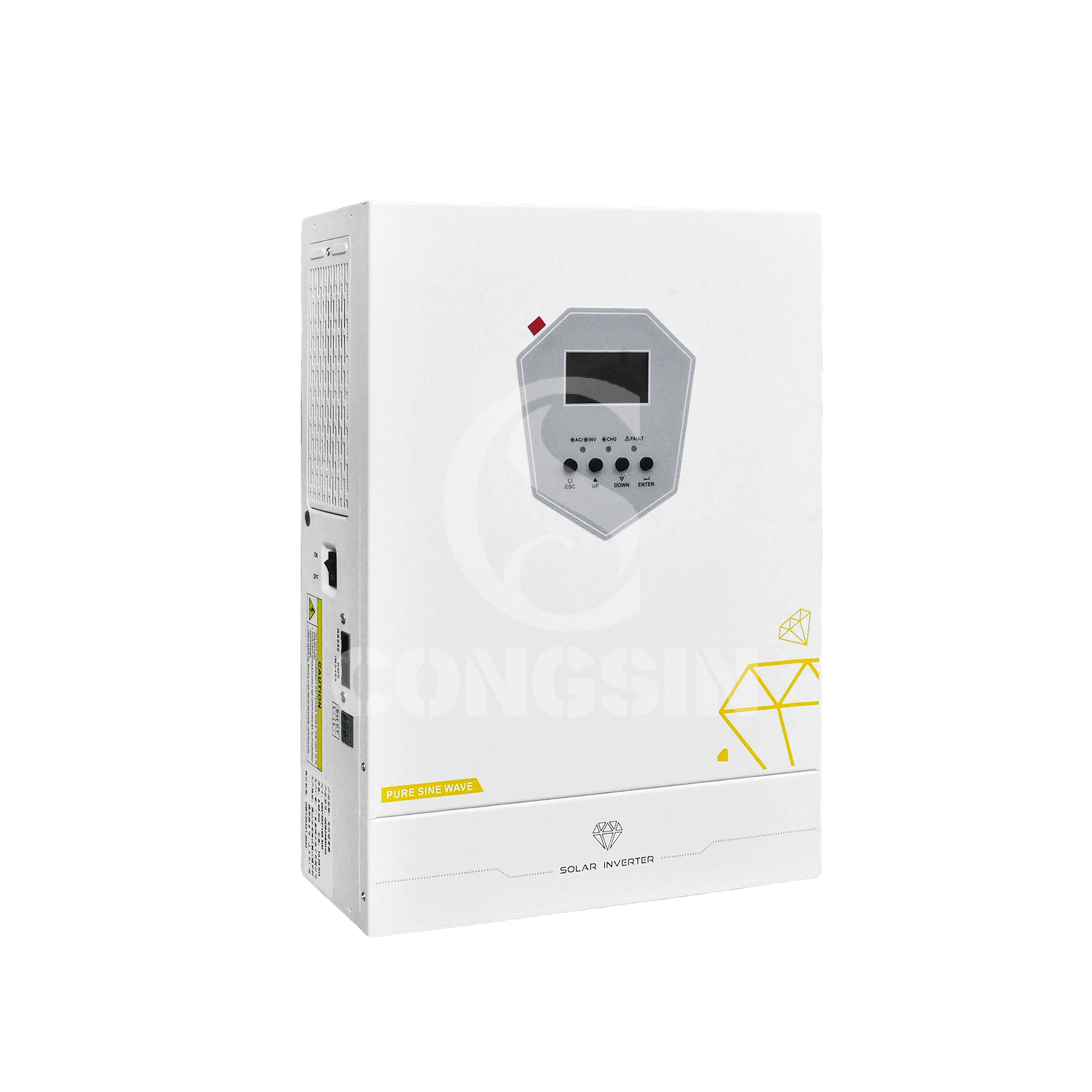
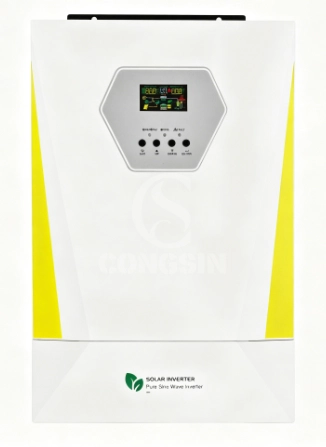
Power your solar system efficiently with the Congsin 4000W and 6000W Hybrid Inverter. Featuring an integrated MPPT Controller, this CE Certified inverter ensures optimal energy conversion. Monitor performance effortlessly via the intuitive LCD Display. Reliable, powerful, and ready for your sustainable energy needs.
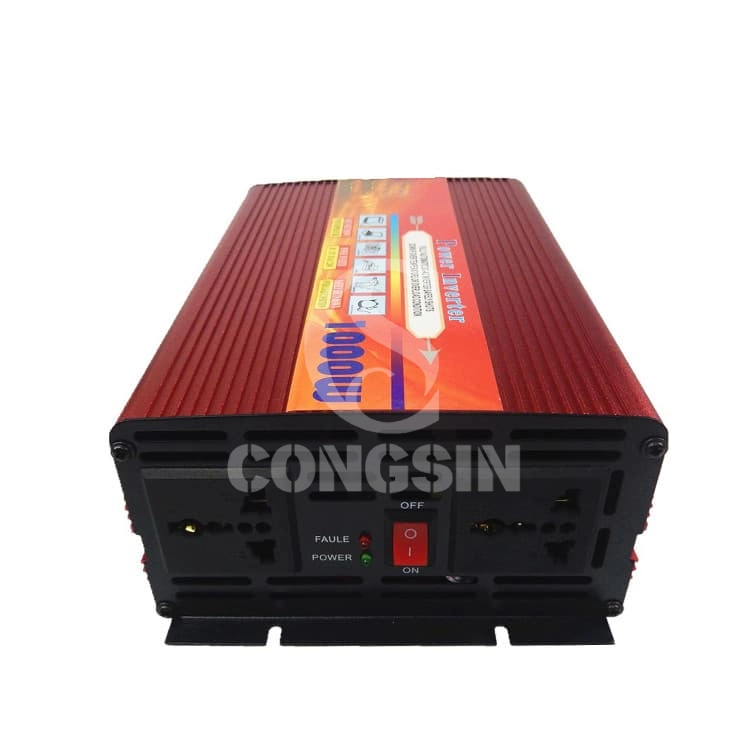
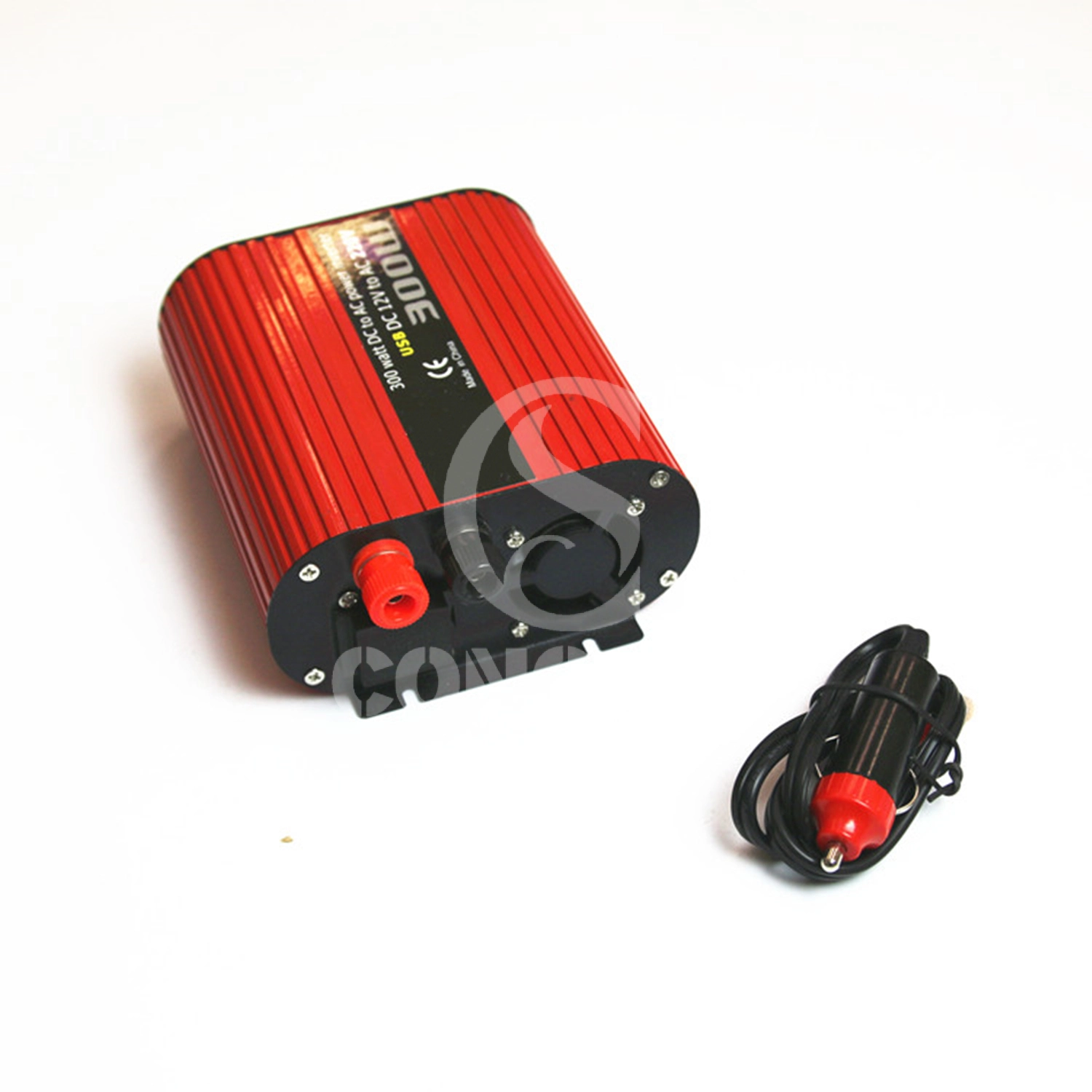
Congsin's Portable 150W Modified Sine Wave Inverter powers your journey! This versatile Car Power Inverter with USB acts as a reliable 12V to 220V converter, ensuring an essential off-grid power supply. With dual USB ports and a universal socket, enjoy convenient power on the go.
Get in Touch with Our Team
You can also communicate with us directly through our online contact form. Please fill in the following information, and our team will contact you as soon as possible after receiving your message.

CONGSIN is a trusted OEM factory for power inverters, solar charge controllers, and DC converters. Reliable solutions for global B2B buyers.
 High Quality
 7/24 Service
 Guaranteed Warranty
© 2025 Congsin. All Rights Reserved.
 WeChat
 Scan QR Code
sin cong
teaimei10
Whatsapp: +8618028086791
Scan QR Code